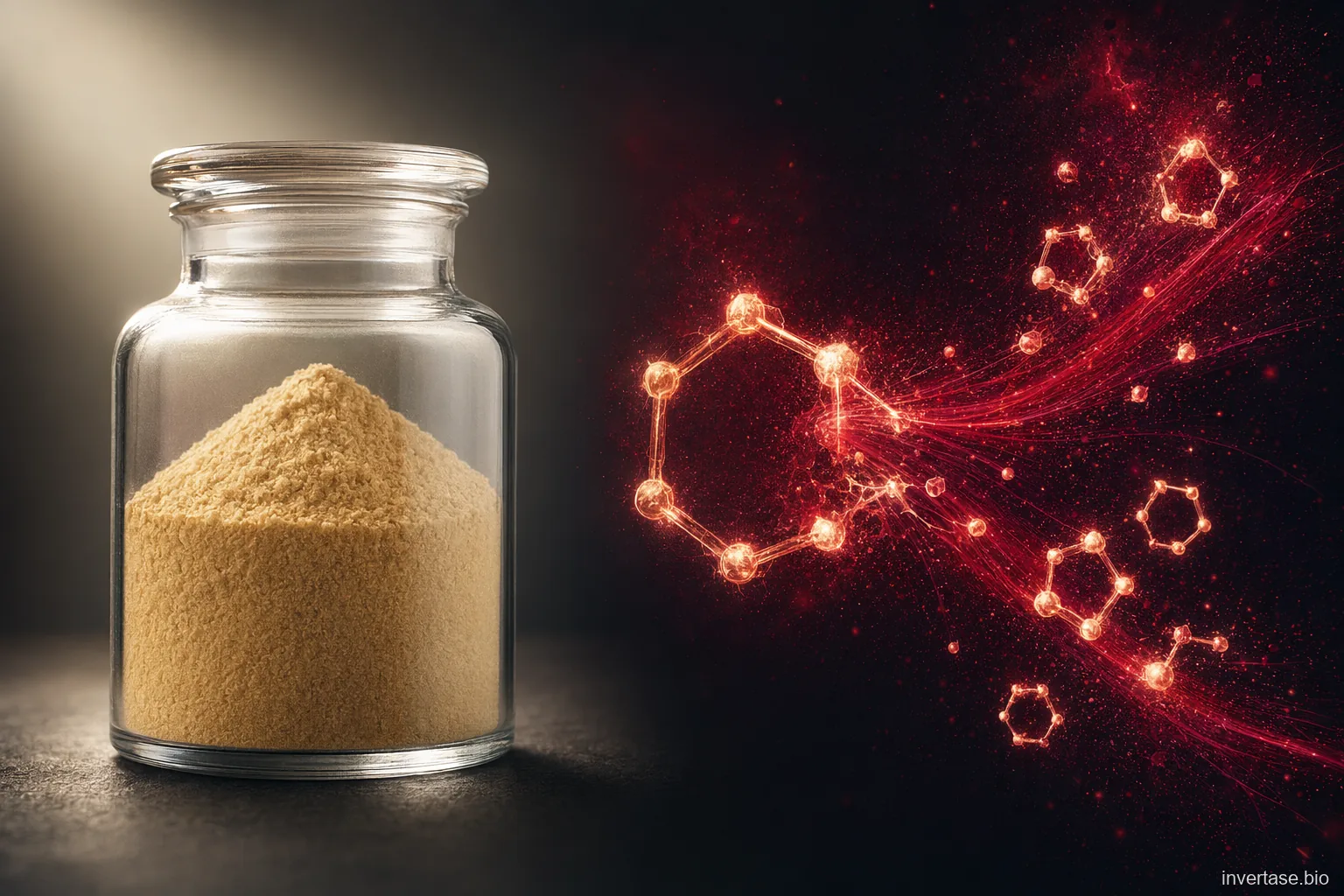
Invertase —
The sweet-maker's enzyme — turning sucrose into smooth, stable, non-crystallising invert sugar
From the liquid centers of fine chocolates to invert syrups that stay smooth through freeze-thaw, invertase is the food-science ingredient that lets confectioners, bakers, and syrup producers work with sugar the way they want. Food-grade, HALAL & KOSHER certified, 1 kg MOQ, ships worldwide with full COA & SDS — wholesale and bulk supply for manufacturers and resellers, quoted per order.
Applications
Invertase (Beta-Fructofuranosidase) catalyzes the hydrolysis of sucrose into glucose and fructose, enabling improved sweetness profile, anti-crystallization behavior, humectancy, and texture stability in commercial formulations.
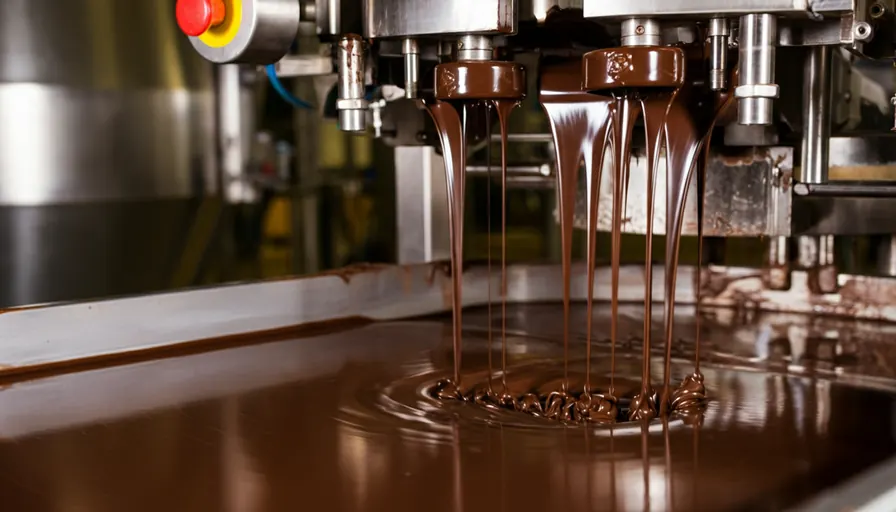
Confectionery — Liquid Centers
Enables sucrose conversion inside chocolate shells to form liquid or cream centers in filled chocolates and fondants.
Learn more →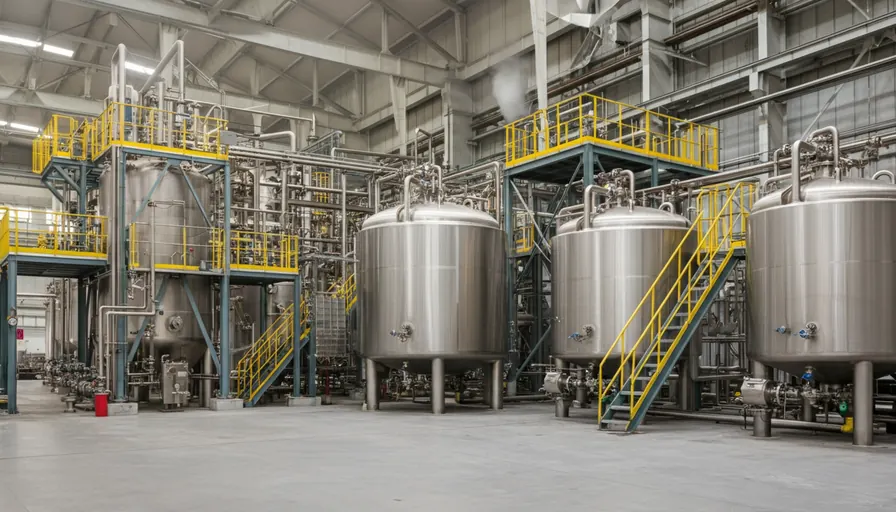
Invert Sugar Syrup
Produces invert sugar resistant to crystallization for use in beverages, bakery, and frozen desserts.
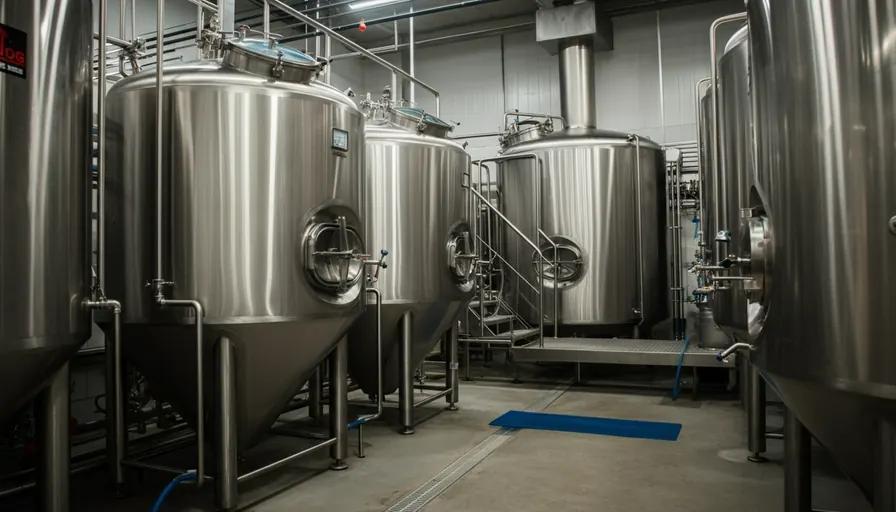
Brewing & Fermentation
Pre-converts sucrose additions to ensure complete fermentation in beer, cider, and wine production.
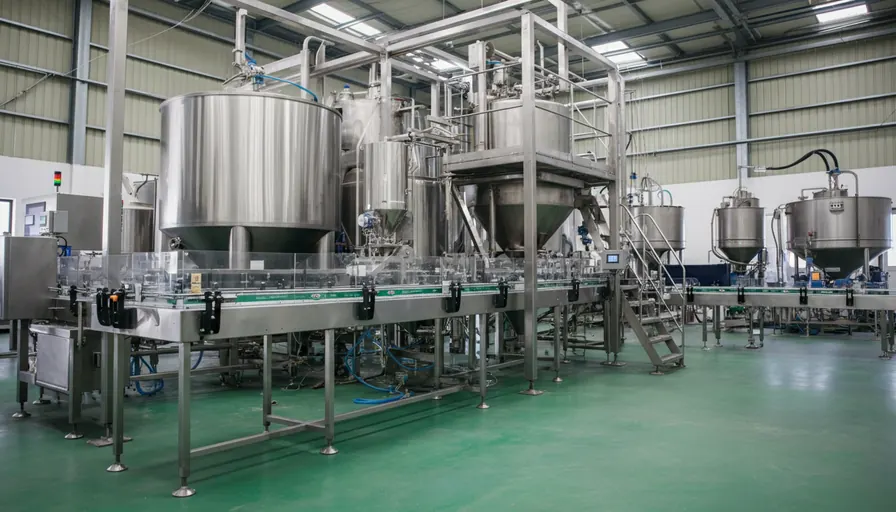
Sports Nutrition
Delivers a balanced glucose-fructose profile in energy gels and supplements for optimized uptake during exercise.
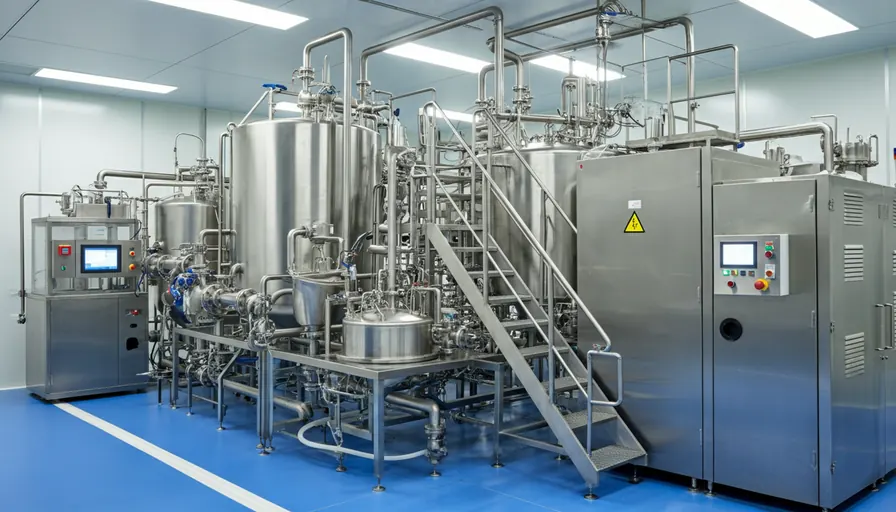
Pharmaceutical — Fructose Syrup
Produces high-purity fructose syrups for pharmaceutical excipients, medical nutrition, and controlled-sweetness formulations.
Product Specifications
Why Source From Us
Consistent activity grades for reliable results
Verified activity grades assure consistent sucrose hydrolysis within optimal pH and temperature windows, allowing predictable invert sugar yields.
Dependable global supply chain
Established logistics infrastructure ensures uninterrupted sourcing aligned with your manufacturing calendar, with shipment to 80+ countries.
Comprehensive documentation for QA
ISO-compliant with HALAL and KOSHER options. COA/TDS supplied to streamline internal quality assurance approvals.
Packaging options for varied dosing
Available in 1 kg, 5 kg, and 25 kg drums to suit dosing across confectionery, beverage, bakery, and functional ingredient output.
we've got answers
Frequently Asked Questions
What is Invertase (Beta-Fructofuranosidase), and what does it do?
Invertase (EC 3.2.1.26) catalyzes hydrolysis of sucrose into glucose and fructose (invert sugar), improving sweetness profiles, reducing crystallization, and enhancing texture and moisture control in industrial formulations.
What are the recommended pH and temperature for best activity?
Best performance is achieved at pH 4.0–5.5 and 50°C–60°C. Verify dosage and conversion with pilot-scale trials tailored to your process.
How do I choose the right activity grade for my process?
Selection depends on target conversion, substrate concentration, and residence time. Contact us with your process parameters and we will recommend the appropriate grade and arrange a sample.
Which applications benefit most from invertase treatment?
Common uses include confectionery liquid centers, invert sugar syrup, artificial honey, moisture retention in baking, anti-crystallization in frozen desserts, and FOS production.
How should I store Invertase, and what is the shelf life?
Store sealed in a cool, dry area. Shelf life is 12 months under correct storage to maintain activity.
Learn More
Hydrolysis of Sucrose by Invertase for Industrial Invert Sugar
A practical B2B guide to using invertase enzyme for controlled sucrose conversion, consistent invert sugar quality, and supplier-ready proce…
Invert Syrup with Invertase: Bulk Enzyme Supply for Syrup Makers
Wholesale invertase for syrup producers, confectionery and bakery manufacturers, and ingredient resellers who make invert syrup in-house or …
Invertase Dosage, pH, and Temperature in Invert Sugar Production
A practical B2B guide for process teams troubleshooting invertase performance, conversion rate, syrup quality, and supplier selection for in…
Invertase Enzyme Powder: Specification Checklist for Invert Sugar
For industrial syrup, confectionery, and honey-processing teams, the right invertase enzyme powder is selected by activity, process fit, doc…
Invertase for Inverted Sugar Production
Use invertase to convert sucrose into glucose and fructose for controlled invert sugar syrup production in confectionery, bakery, beverage, …
What Is Invert Sugar: How to Use Invertase in Invert Sugar Formulations
Invert sugar is a functional sweetener made by splitting sucrose into glucose and fructose. For syrup makers, confectioners and ingredient r…
Get In Touch
Request a quote: wholesale and bulk invertase
For manufacturers, distributors and resellers. Send the product and grade (powder or liquid), the quantity per order or per year, the destination country and your application. We reply within 24 hours with a grade recommendation and a quote per order, and send samples with COA/TDS for qualified inquiries.
- hello@mail.invertase.bio
- Response within 24 hours
- Ships to 80+ countries
Request a quote: wholesale and bulk invertase
We have received your message. We will reply by email.